Venice Canals – Choosing Between Hidden Rios and the Grand Canal
A practical guide to Venice's canals: why small canals enchant, how traffic flows on the Grand Canal, and choosing routes for your gondola ride.
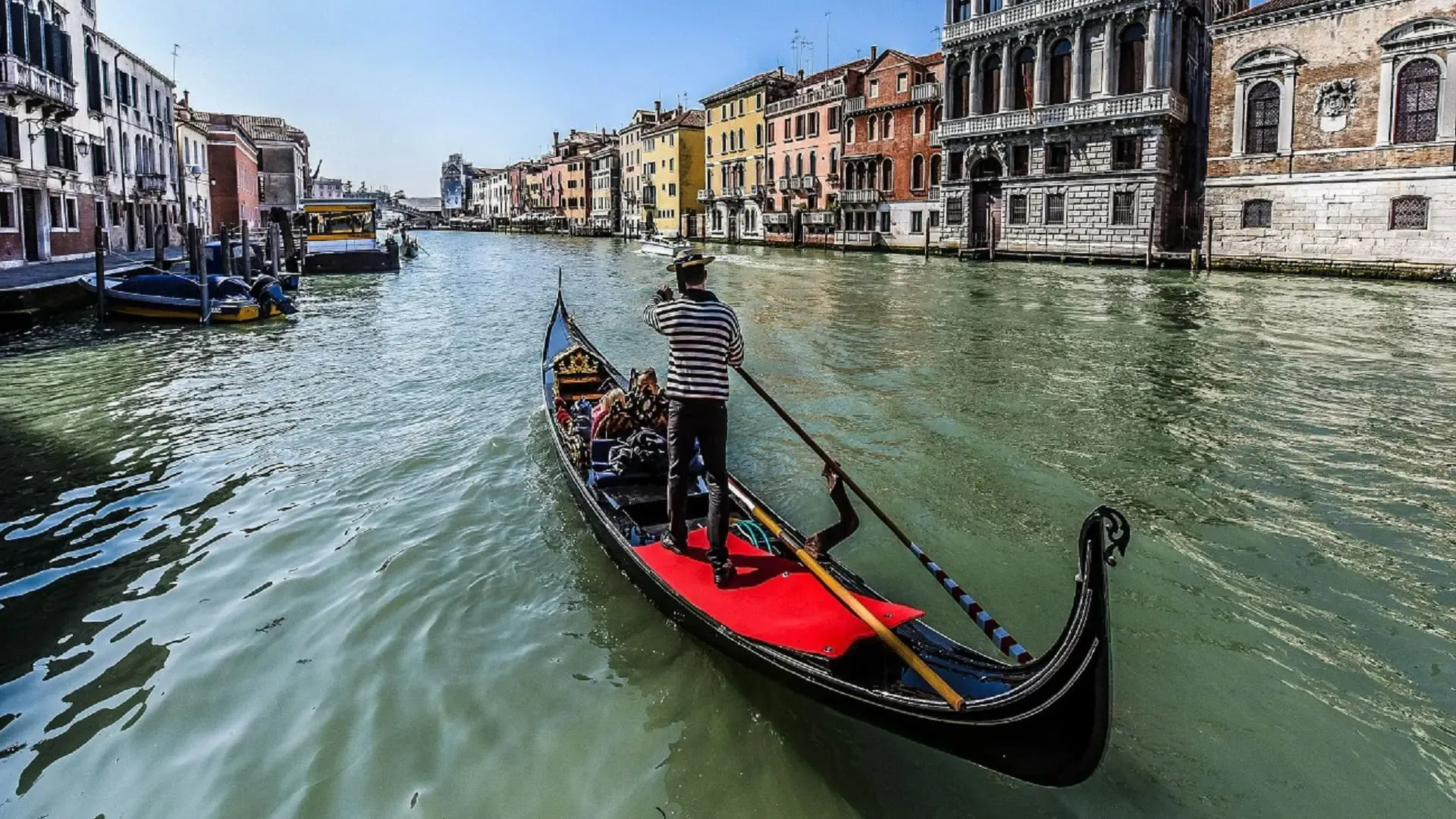
Venice’s waterways mix broad theater with intimate side streets. The Grand Canal is the city’s big S-curve artery; rios (small canals) reveal quiet architecture and resident life.
Canal Anatomy
- Grand Canal: Wide, windy at times, lined by palazzi and busy boat lanes.
- Small canals (rios): Narrow, low bridges, tight turns, secret gardens.
- Tidal rhythm: Bridge clearance and current feel can vary with tide.
The best rides listen to water and choose routes accordingly.
Small Canals (Rios)
- Textures: Brickwork patches, mooring rings, water doors.
- Soundscape: Oar wood creaks, water lapping, footsteps on tiny bridges.
- Light: Soft reflections; excellent for close-up photography.
Pros
- Intimate, quiet, architectural.
- Gentler motion for sensitive riders.
Cons
- Lower bridge clearance; plan seating.
- Requires skilled pivots; trust the gondolier.
Grand Canal
- Vistas: Big sky, palazzi, regatta route.
- Traffic: Professional skippers maintain patterns; expect wakes.
- Light: Golden hour reflections; sunset turns facades to gold.
Pros
- Iconic frames (Rialto curve).
- Theater of Venice’s architecture.
Cons
- Busier lanes; more motion.
Choosing Your Mix
- Balanced ride: 20–25 minutes in small canals + 5–10 minutes on the Grand Canal.
- Avoid heavy wakes: Skip 11:00–16:00 for calmer water.
- Neighborhoods: Cannaregio hush, Dorsoduro artistry.
Tip: The bend near Rialto frames timeless photos; add a small-canal loop for intimacy.
Common Mistakes
- Staying only on the Grand Canal (misses the poetry).
- Booking midday (more wakes).
- Not confirming a short Grand Canal cameo for icon shots.
Bottom Line
Blend the big and the small. Tuck into the labyrinth, then emerge for the grand theater — Venice rewards thoughtful routing.
Om författaren

Gondola Insider
Jag skapade den här guiden för att du tryggt ska färdas på Venedigs vattenvägar — tydliga bokningstips, mjuk etikett och historier som fördjupar det du ser och känner ombord.
Tags
Comments (0)
Loading comments...