A city shaped by its boats
Centuries of tides, trades, and songs meet in the curve of a gondola.
Table of Contents
Origins of Venetian gondolas
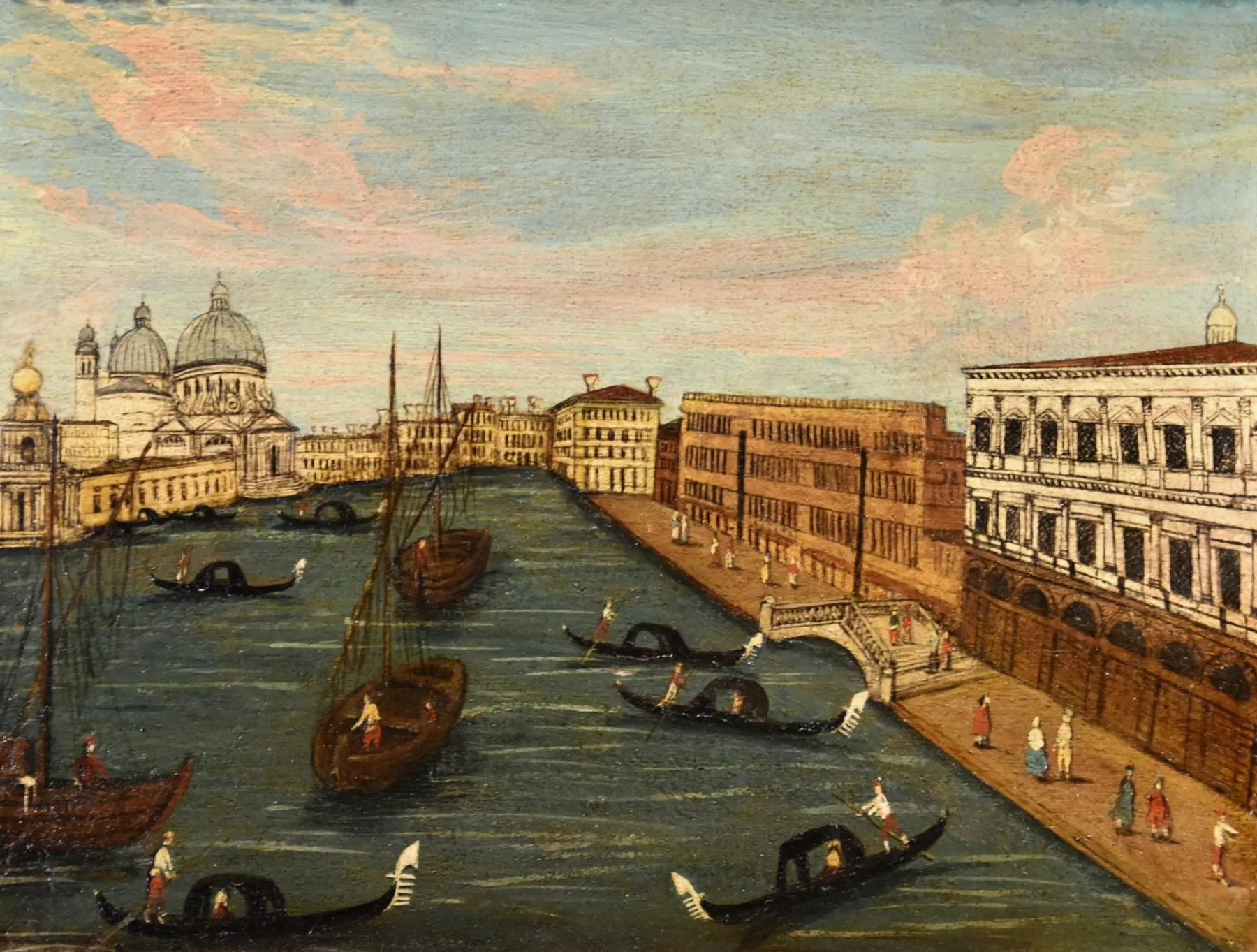
Venice rose from mudflats and marsh — a city that had to learn the grammar of water before it could write its stories in stone. Long before tourists, the gondola was a lifeline: narrow and nimble, able to slip between islands and pilings, carry goods and people, and ferry messages where streets could never run. Early boats were simpler, but necessity shaped elegance: hulls flattened to keep draft shallow, beam tightened to navigate intimate passages, and the bow curved upward like a question mark to handle waves and wakes.
By the Renaissance, Venice’s prosperity and taste refined the boat further. Sumptuary laws, meant to curb ostentation, famously standardized the gondola’s black hull — a sheen that today reflects palazzi like a lacquered mirror. The gondola became more than transport: a social instrument, a floating salon, a way to court, gossip, and celebrate while the city drifted by. It remained practical, too, shaped by tides and trade, adjusting continuously to the water that made Venice possible.
Craftsmanship & design
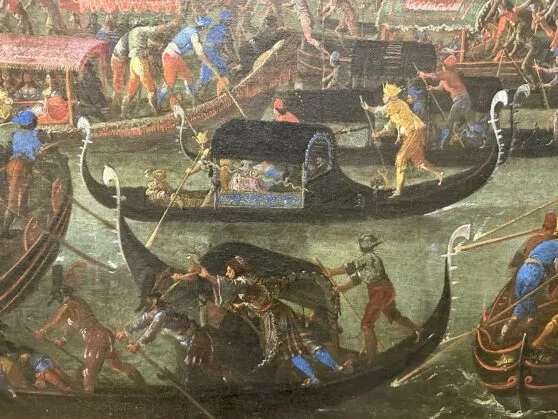
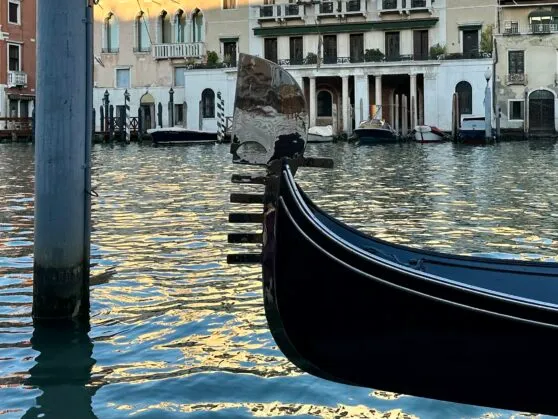
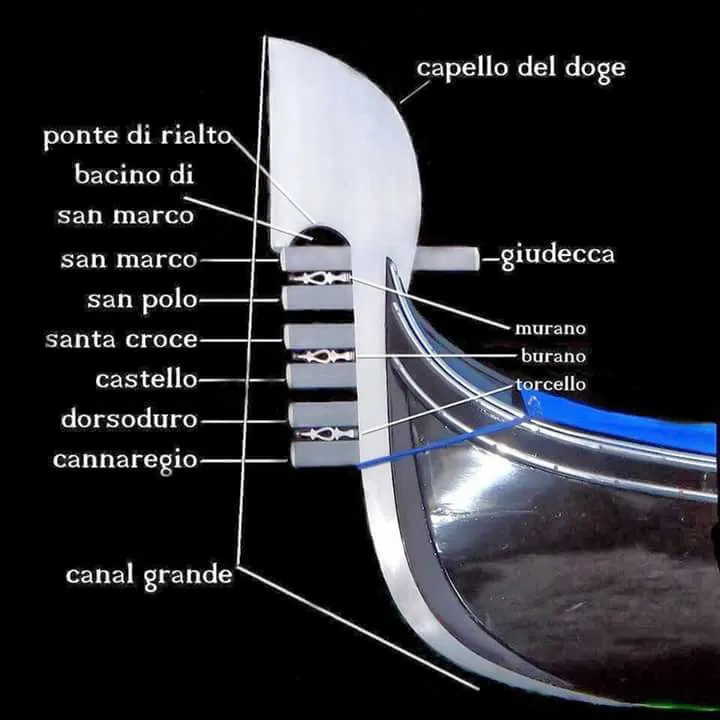
Each gondola is built by hand in squeri, Venice’s traditional boatyards, from a chorus of woods — spruce for lightness, oak for strength, larch for resilience, mahogany for stability, walnut and elm for harmony. The boat is asymmetrical, wider on the port side, so the gondolier’s single oar can keep a straight course. The iron prow, the ferò, is symbolic: its comb-like prongs echo the sestieri (districts), the sweeping curve nods to the Grand Canal, and the subtle S-line feels like the city’s serpentine course through time.
Inside, details vary with purpose: cushioned seats for comfort, elegant trim for celebrations, subdued finishes for everyday use. Repairs are constant; water is a persistent editor. Craftsmen pass techniques down generations, measuring not only in meters but in memory — how a boat should feel when the oar bites, how it should answer a turn, how it should sit on the water like a well-balanced thought.
Routes & waterways
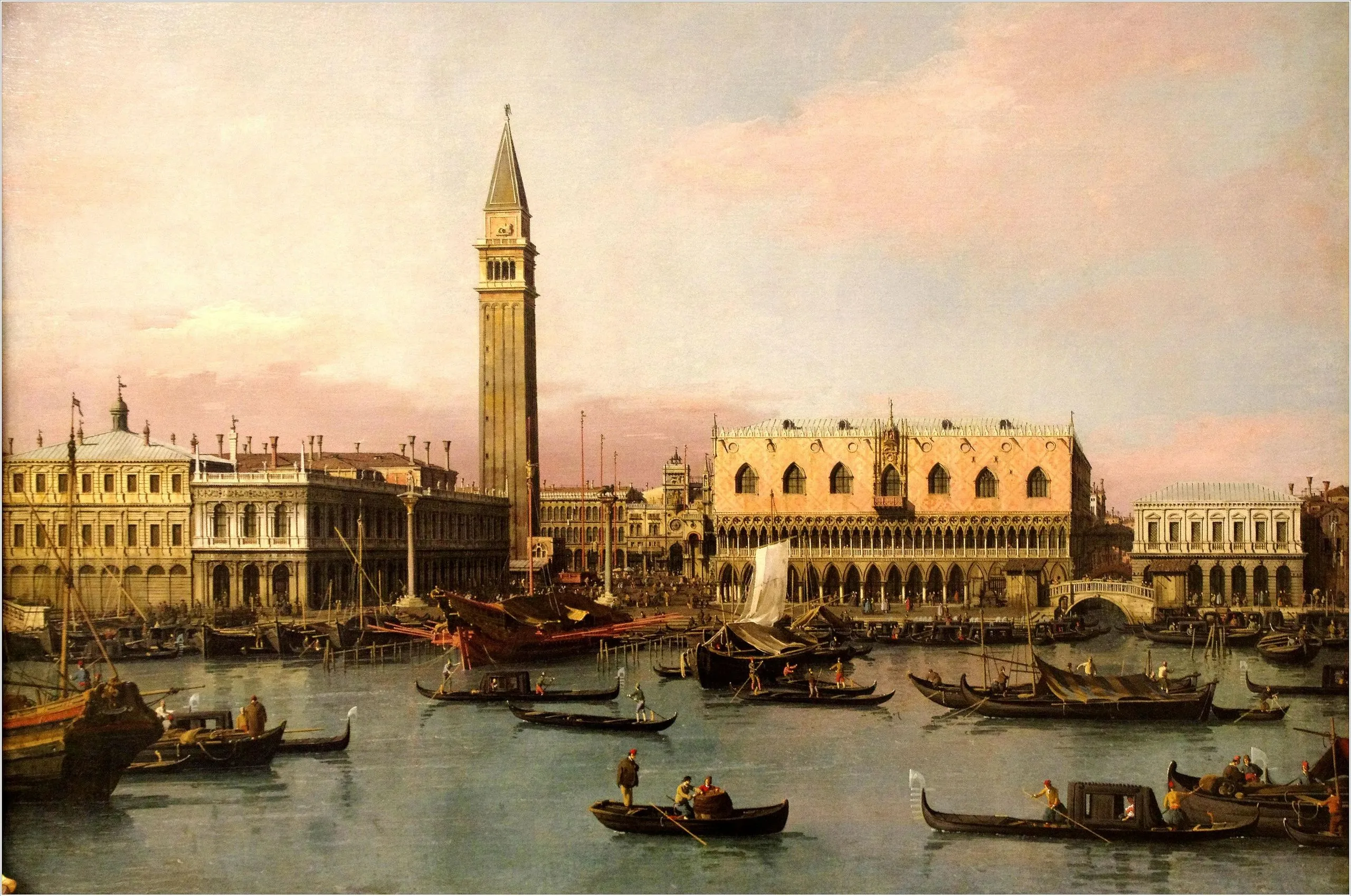
The Grand Canal is Venice’s stage: palaces in parchment colors, domes and campanili punctuating the skyline, and bridges stitching banks into conversation. A ride here is wide and theatrical — boats passing in procession, façades speaking in marble, the city showing off. Yet the back canals hold Venice’s whispers: mossed bricks and damp windowsills, children crossing a bridge with ice cream, a sudden echo when a bell rings, the intimacy of narrow water that makes you lower your voice instinctively.
Routes change with tide and time. Some operators favor the classics — Rialto to Accademia, San Marco’s glitter, Dorsoduro’s artsy calm. Others steer into neighborhoods where laundry lines become banners and the oar’s rhythm is the metronome of daily life. Both are Venice: the spectacular and the domestic, a city comfortable being a postcard and a place to live at once.
Songs, culture & rituals
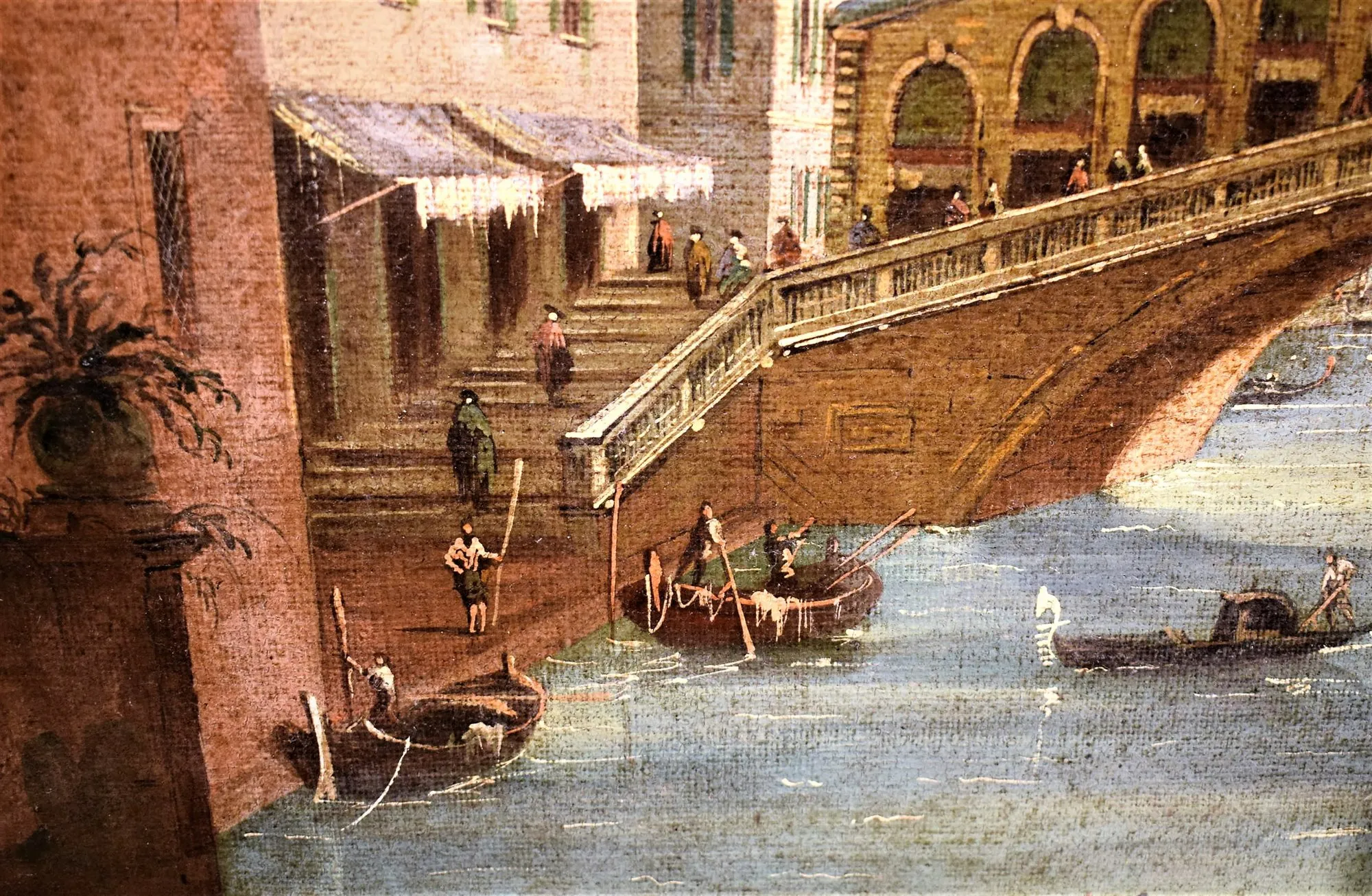
Music on the water travels differently — it bends, softens, and blooms. Serenades aboard gondolas thread folk melodies and arias into the city’s own soundtrack: footsteps on stone, gulls circling, the quiet slap of waves. Gondoliers have their lore: local legends, a repertoire of jokes, and the practiced elegance of docking with a flourish that feels like a signature.
Rituals persist: the stance on the stern, the respectful nod when passing tight corners, the way a gondolier reads a current by sight and sound. Watching is as enjoyable as riding. Venice has always performed itself — carnival masks, processions, regattas — and the gondola is both instrument and stage.
Bridges & landmarks
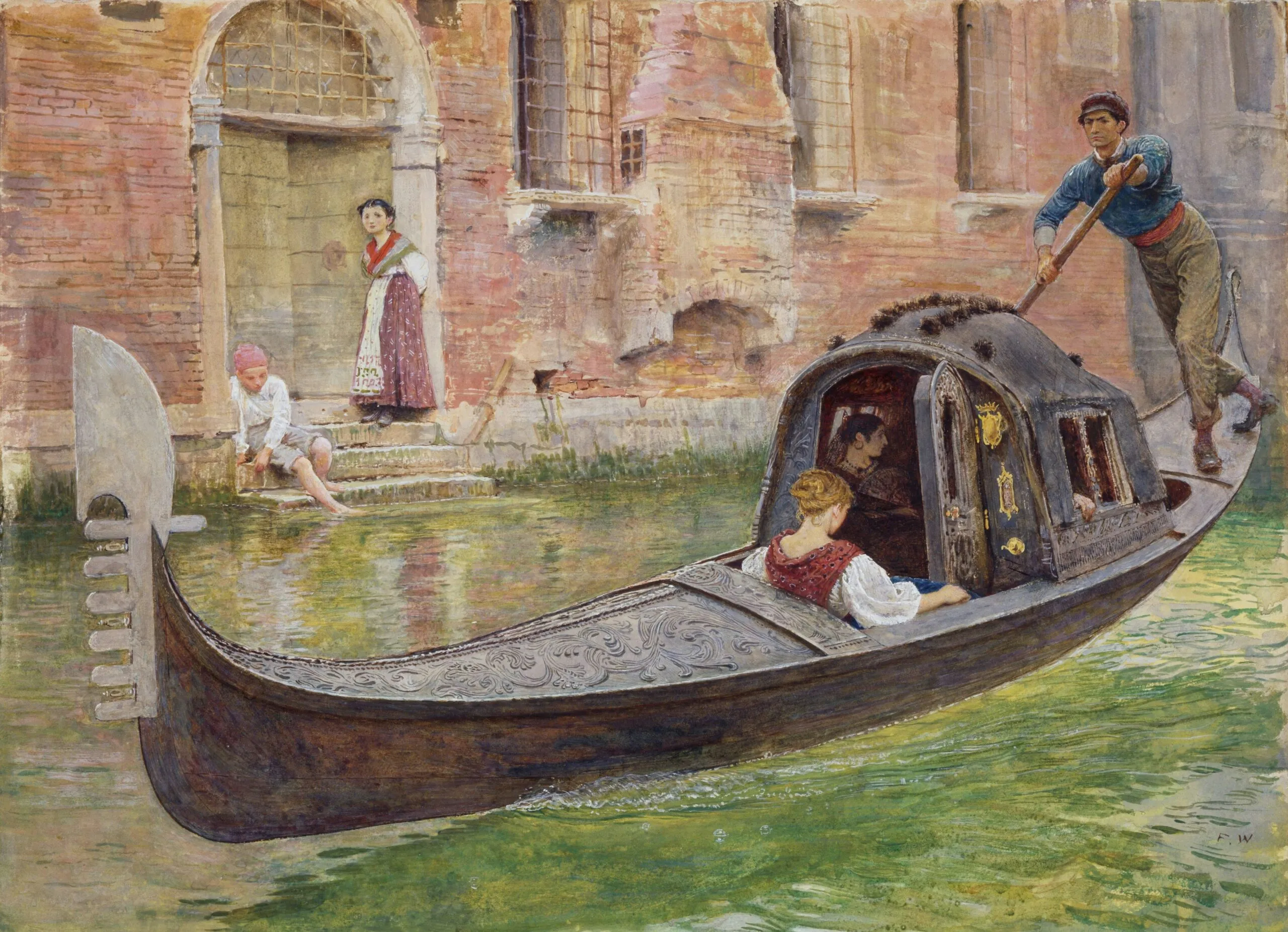
Under Rialto, history crowds the arches: merchants, lovers, and revolutionaries once wove their days across its span. At Accademia, the curve of the bridge frames paintings turned into buildings. Near Salute, baroque rises like a ship, and at San Marco, the basin opens, the city’s ceremonial heart reflecting the sky.
Small bridges matter, too. They bind islands into neighborhoods and give rides their rhythm — low humps you slip beneath, tiny crossings where a passerby glances down and smiles at your bobbing world.
Hidden canal itineraries
Beyond the postcard routes lie canals where weeds brush old bricks and a single oar feels like a compass. Here, Venice is domestic and unguarded: a grandmother watering geraniums, a child calling to a friend across the water, the surprise of a courtyard glimpsed under a sotoportego.
Hidden itineraries reward curiosity and timing — early morning calm, evening blue hours, and low traffic when echoes feel like company. Ask for a route that balances spectacle with solitude.
Gondoliers: training & traditions
Becoming a gondolier takes exams, apprenticeship, and character. It’s navigation, courtesy, and theater — steering with precision, reading currents, speaking languages, and hosting with care. The city entrusts its image to these mariners of the everyday.
Tradition is alive but never frozen: striped shirts, practiced stance, a knack for timing a joke with a turn. Families pass down skills; new gondoliers bring fresh stories. The boat stays the constant, an instrument tuned to the water’s voice.
Safety, etiquette & accessibility
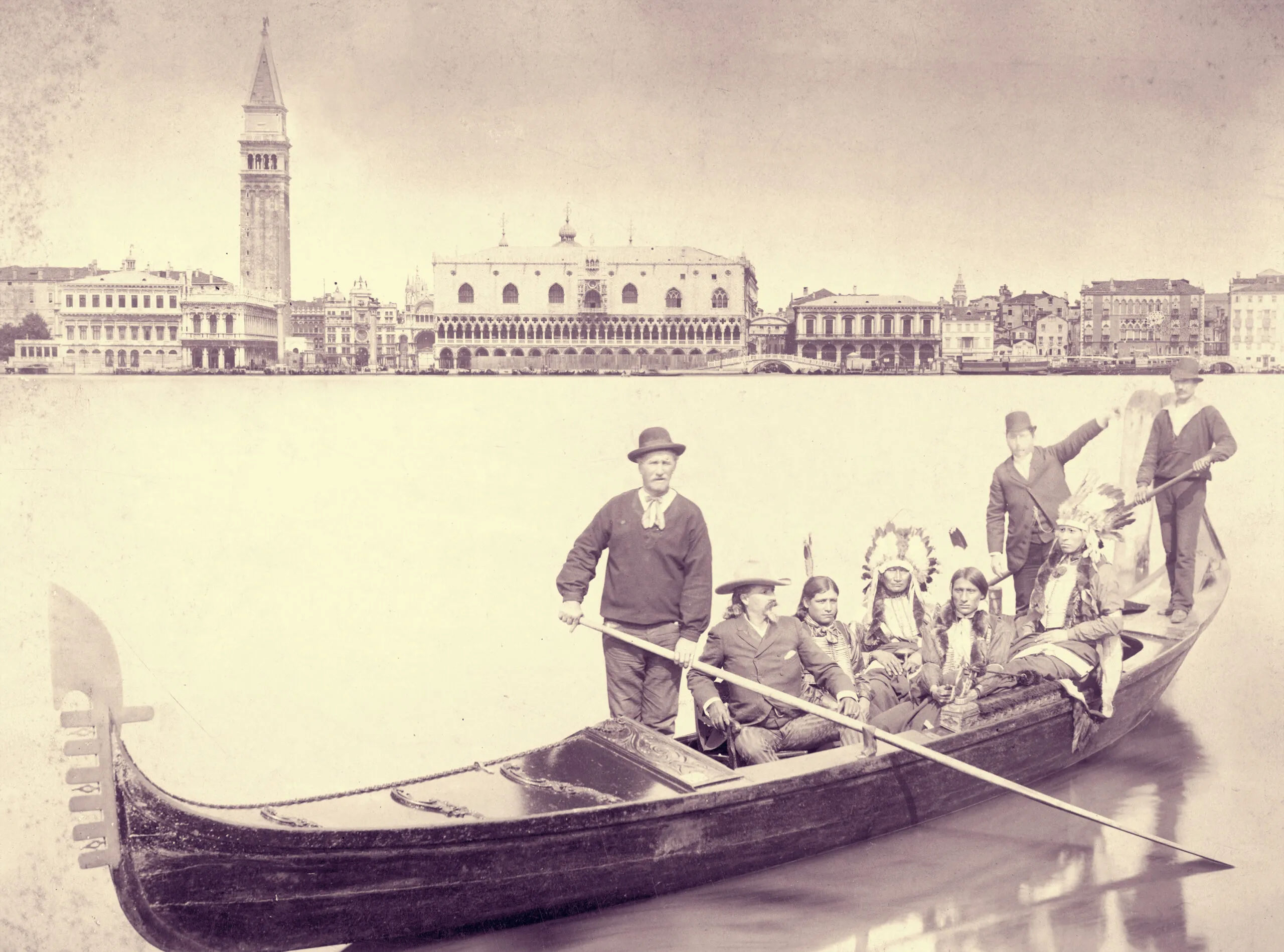
Board with care, follow the gondolier’s instructions, and remain seated during the ride. Life jackets are available on request, and operators pause during severe weather or high winds. Respect the water: it is generous, but it asks attention.
Etiquette is simple: no sudden moves, keep hands inside, and enjoy at a human pace. Accessibility varies by station — some have easier platforms and staff ready to assist. Ask ahead and choose the most comfortable location.
In films and literature
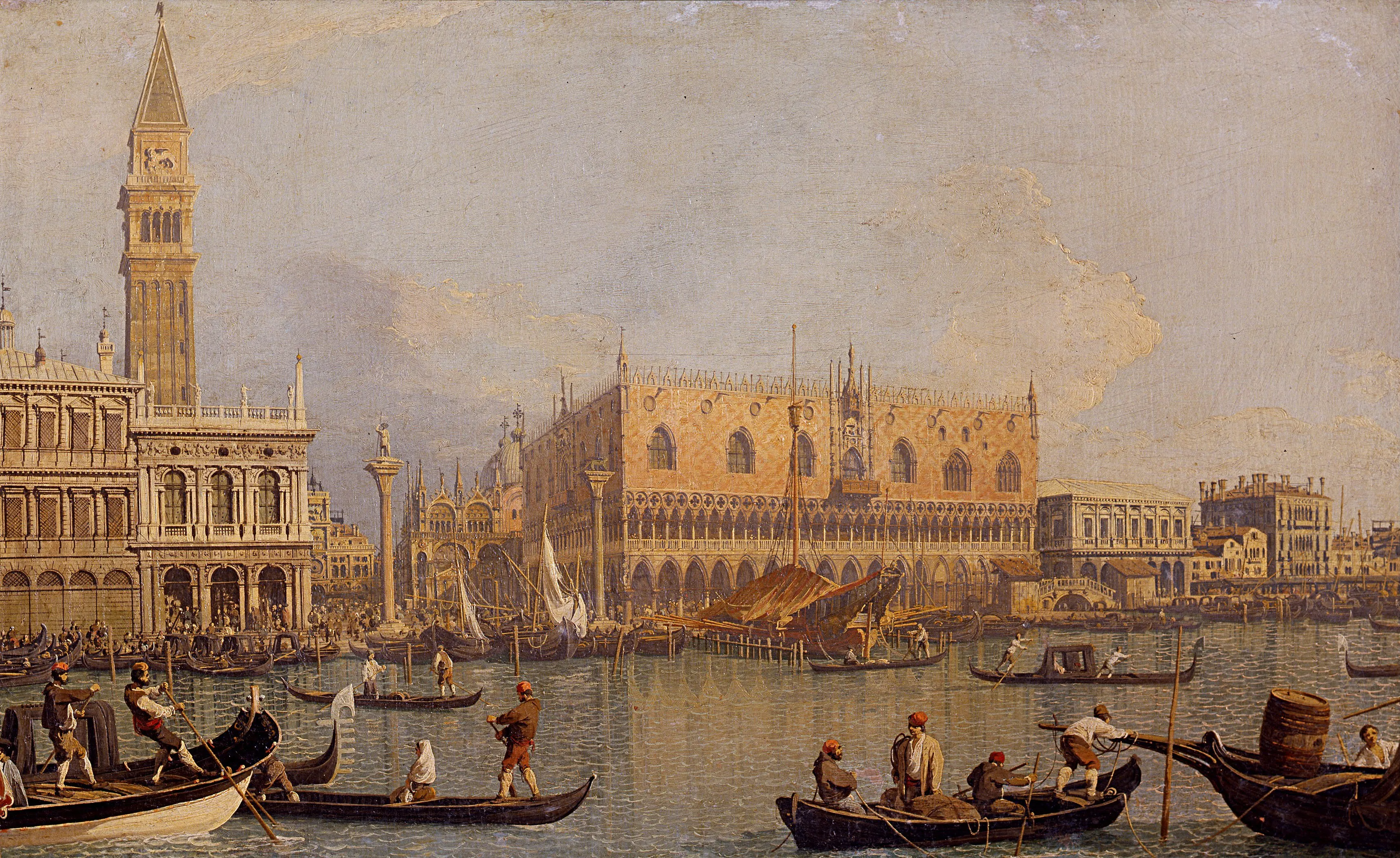
From travelogues and romances to thrillers, the gondola appears wherever Venice is asked to play herself — an actor with perfect timing, turning corners as scenes unfold.
Writers describe the ride as an essay on slowness: water deciding pace, the city revealing itself as you let time loosen its grip.
Tickets & booking
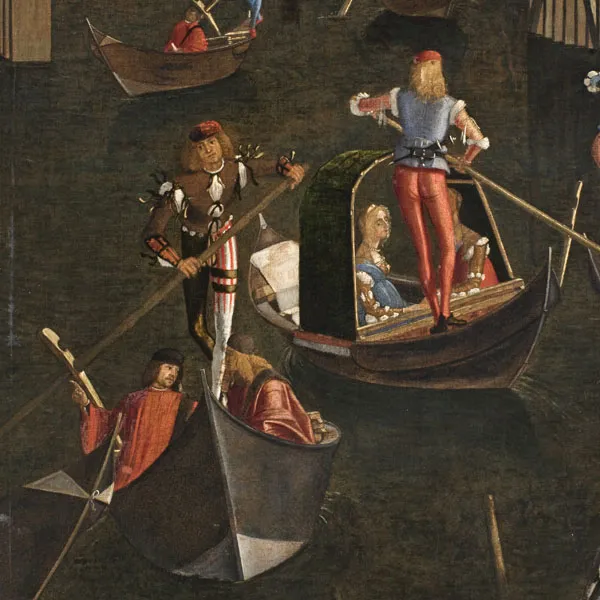
Book online to secure your time and preferred route, choosing between shared boats and private rides. Sunset and serenade options are popular and limited.
Meeting points are clearly indicated on vouchers; arrive early to locate the exact mooring and begin unhurried.
Preservation & guilds
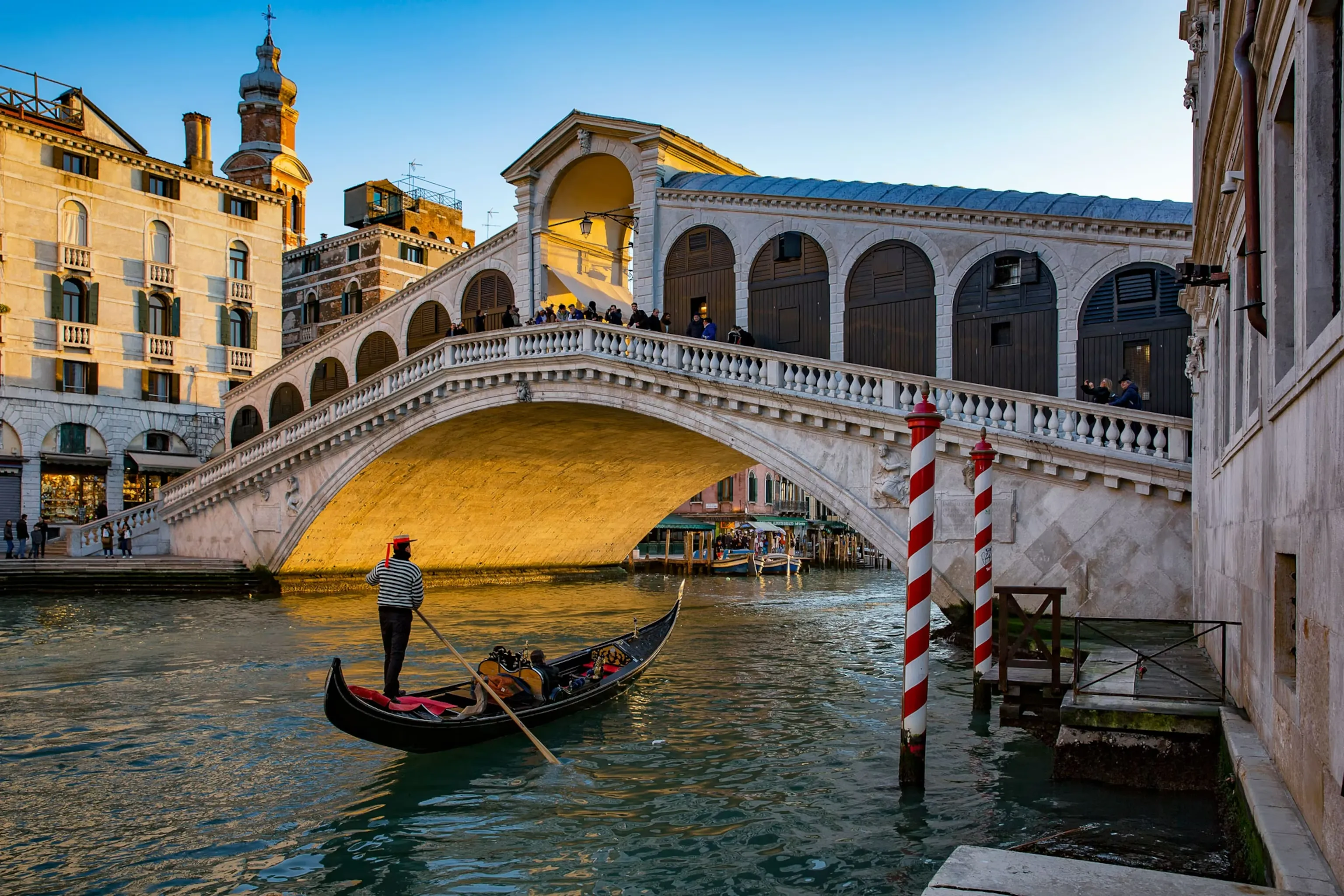
Squeri maintain the craft with meticulous repairs and new builds, keeping knowledge alive even as materials and conditions evolve.
By riding, you support a living tradition — skills, stories, and the patient art of shaping wood for water.
Nearby Venice highlights
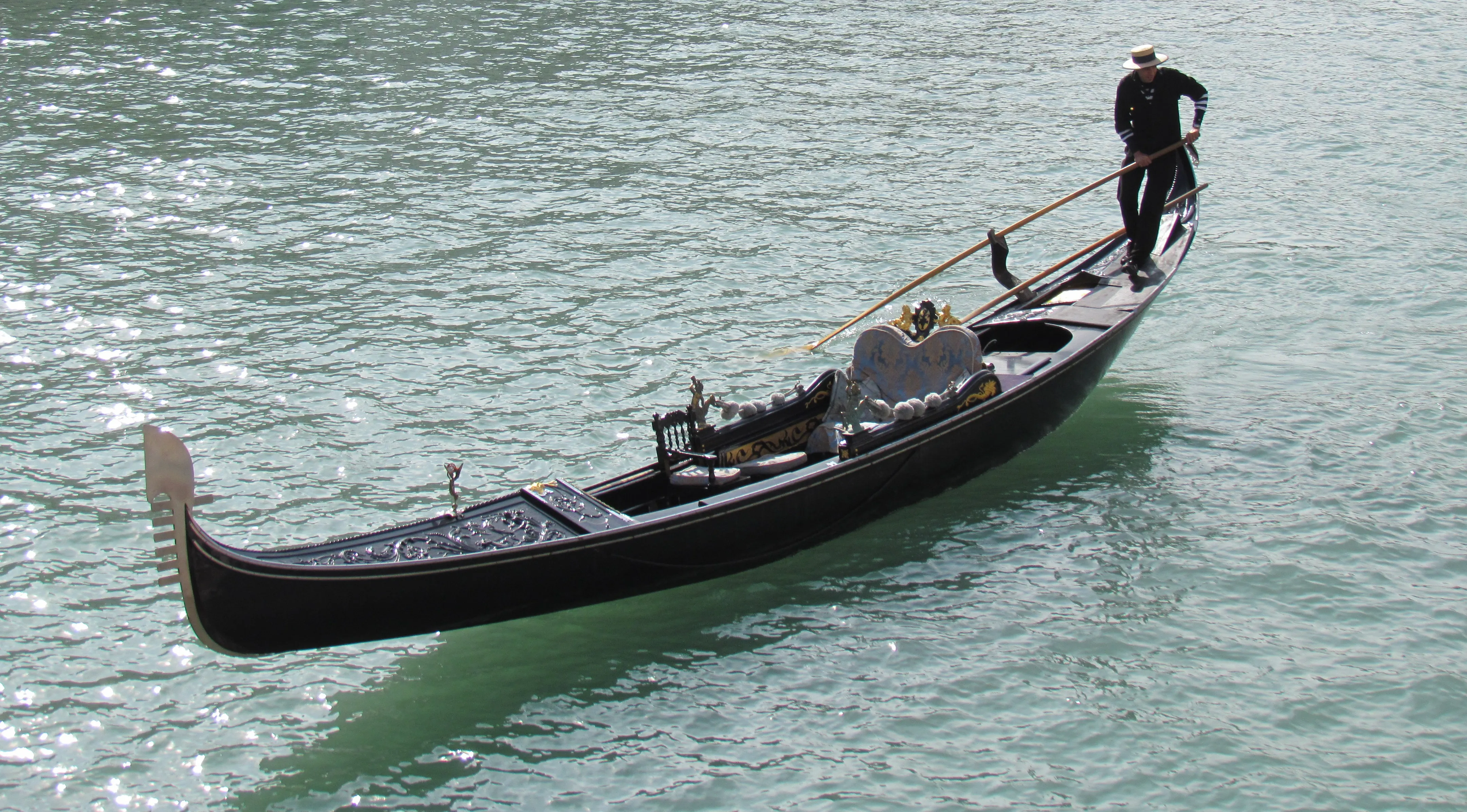
Pair your ride with visits to St. Mark’s Basilica, the Doge’s Palace, the Accademia Galleries, and neighborhood campo squares where Venice catches its breath.
Cafés and bacari (wine bars) cluster near boarding points — perfect for a spritz or cicchetti before or after you glide.
Cultural importance
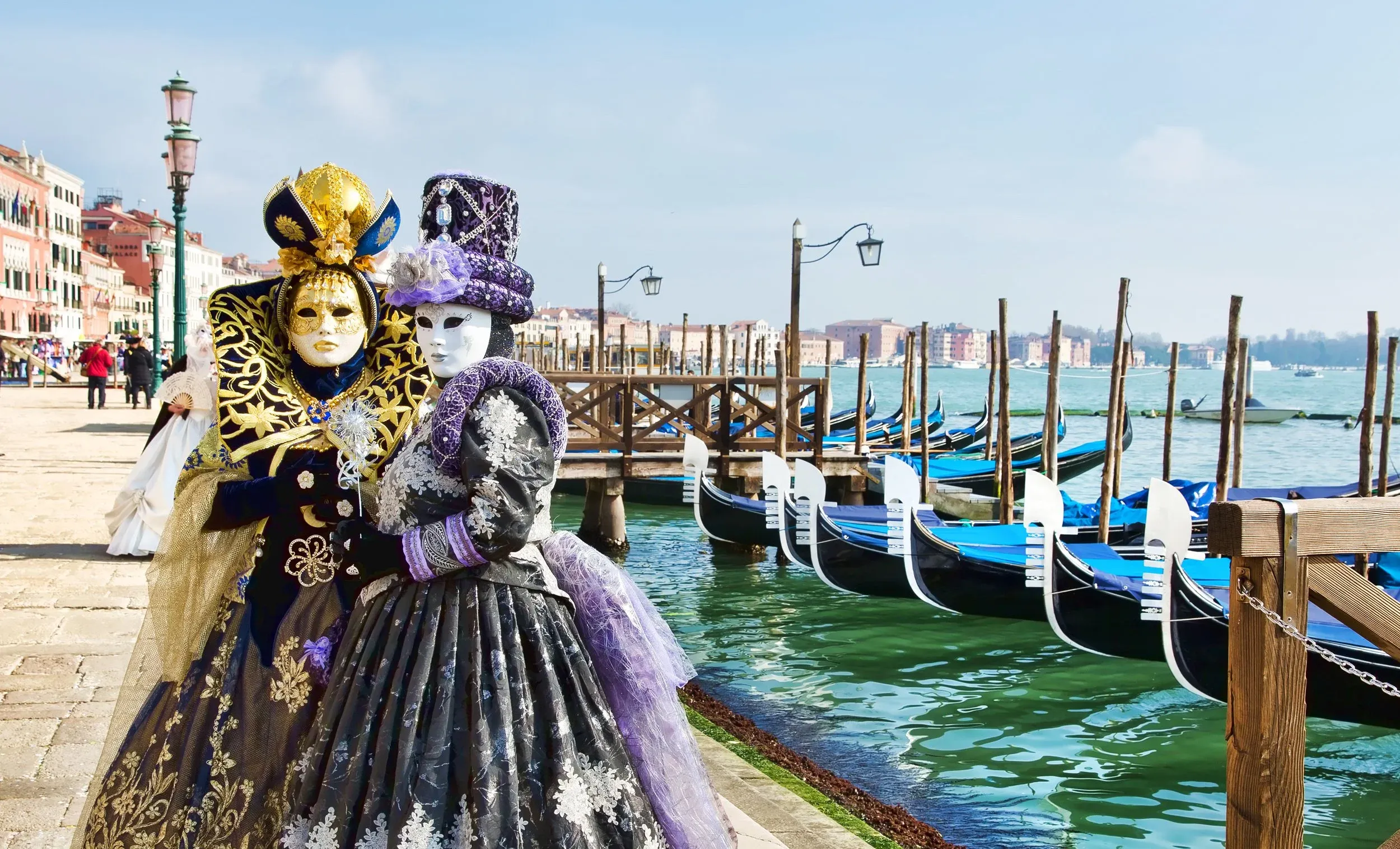
The gondola is Venice’s signature — proof that a city can be built on water and still feel human, elegant, and everyday at once.
To ride is to join a continuum: workers and nobles, families and visitors, all turning corners where light meets tide and history is told in reflections.
Table of Contents
Origins of Venetian gondolas
Venice rose from mudflats and marsh — a city that had to learn the grammar of water before it could write its stories in stone. Long before tourists, the gondola was a lifeline: narrow and nimble, able to slip between islands and pilings, carry goods and people, and ferry messages where streets could never run. Early boats were simpler, but necessity shaped elegance: hulls flattened to keep draft shallow, beam tightened to navigate intimate passages, and the bow curved upward like a question mark to handle waves and wakes.
By the Renaissance, Venice’s prosperity and taste refined the boat further. Sumptuary laws, meant to curb ostentation, famously standardized the gondola’s black hull — a sheen that today reflects palazzi like a lacquered mirror. The gondola became more than transport: a social instrument, a floating salon, a way to court, gossip, and celebrate while the city drifted by. It remained practical, too, shaped by tides and trade, adjusting continuously to the water that made Venice possible.
Craftsmanship & design
Each gondola is built by hand in squeri, Venice’s traditional boatyards, from a chorus of woods — spruce for lightness, oak for strength, larch for resilience, mahogany for stability, walnut and elm for harmony. The boat is asymmetrical, wider on the port side, so the gondolier’s single oar can keep a straight course. The iron prow, the ferò, is symbolic: its comb-like prongs echo the sestieri (districts), the sweeping curve nods to the Grand Canal, and the subtle S-line feels like the city’s serpentine course through time.
Inside, details vary with purpose: cushioned seats for comfort, elegant trim for celebrations, subdued finishes for everyday use. Repairs are constant; water is a persistent editor. Craftsmen pass techniques down generations, measuring not only in meters but in memory — how a boat should feel when the oar bites, how it should answer a turn, how it should sit on the water like a well-balanced thought.
Routes & waterways
The Grand Canal is Venice’s stage: palaces in parchment colors, domes and campanili punctuating the skyline, and bridges stitching banks into conversation. A ride here is wide and theatrical — boats passing in procession, façades speaking in marble, the city showing off. Yet the back canals hold Venice’s whispers: mossed bricks and damp windowsills, children crossing a bridge with ice cream, a sudden echo when a bell rings, the intimacy of narrow water that makes you lower your voice instinctively.
Routes change with tide and time. Some operators favor the classics — Rialto to Accademia, San Marco’s glitter, Dorsoduro’s artsy calm. Others steer into neighborhoods where laundry lines become banners and the oar’s rhythm is the metronome of daily life. Both are Venice: the spectacular and the domestic, a city comfortable being a postcard and a place to live at once.
Songs, culture & rituals
Music on the water travels differently — it bends, softens, and blooms. Serenades aboard gondolas thread folk melodies and arias into the city’s own soundtrack: footsteps on stone, gulls circling, the quiet slap of waves. Gondoliers have their lore: local legends, a repertoire of jokes, and the practiced elegance of docking with a flourish that feels like a signature.
Rituals persist: the stance on the stern, the respectful nod when passing tight corners, the way a gondolier reads a current by sight and sound. Watching is as enjoyable as riding. Venice has always performed itself — carnival masks, processions, regattas — and the gondola is both instrument and stage.
Bridges & landmarks
Under Rialto, history crowds the arches: merchants, lovers, and revolutionaries once wove their days across its span. At Accademia, the curve of the bridge frames paintings turned into buildings. Near Salute, baroque rises like a ship, and at San Marco, the basin opens, the city’s ceremonial heart reflecting the sky.
Small bridges matter, too. They bind islands into neighborhoods and give rides their rhythm — low humps you slip beneath, tiny crossings where a passerby glances down and smiles at your bobbing world.
Hidden canal itineraries
Beyond the postcard routes lie canals where weeds brush old bricks and a single oar feels like a compass. Here, Venice is domestic and unguarded: a grandmother watering geraniums, a child calling to a friend across the water, the surprise of a courtyard glimpsed under a sotoportego.
Hidden itineraries reward curiosity and timing — early morning calm, evening blue hours, and low traffic when echoes feel like company. Ask for a route that balances spectacle with solitude.
Gondoliers: training & traditions
Becoming a gondolier takes exams, apprenticeship, and character. It’s navigation, courtesy, and theater — steering with precision, reading currents, speaking languages, and hosting with care. The city entrusts its image to these mariners of the everyday.
Tradition is alive but never frozen: striped shirts, practiced stance, a knack for timing a joke with a turn. Families pass down skills; new gondoliers bring fresh stories. The boat stays the constant, an instrument tuned to the water’s voice.
Safety, etiquette & accessibility
Board with care, follow the gondolier’s instructions, and remain seated during the ride. Life jackets are available on request, and operators pause during severe weather or high winds. Respect the water: it is generous, but it asks attention.
Etiquette is simple: no sudden moves, keep hands inside, and enjoy at a human pace. Accessibility varies by station — some have easier platforms and staff ready to assist. Ask ahead and choose the most comfortable location.
In films and literature
From travelogues and romances to thrillers, the gondola appears wherever Venice is asked to play herself — an actor with perfect timing, turning corners as scenes unfold.
Writers describe the ride as an essay on slowness: water deciding pace, the city revealing itself as you let time loosen its grip.
Tickets & booking
Book online to secure your time and preferred route, choosing between shared boats and private rides. Sunset and serenade options are popular and limited.
Meeting points are clearly indicated on vouchers; arrive early to locate the exact mooring and begin unhurried.
Preservation & guilds
Squeri maintain the craft with meticulous repairs and new builds, keeping knowledge alive even as materials and conditions evolve.
By riding, you support a living tradition — skills, stories, and the patient art of shaping wood for water.
Nearby Venice highlights
Pair your ride with visits to St. Mark’s Basilica, the Doge’s Palace, the Accademia Galleries, and neighborhood campo squares where Venice catches its breath.
Cafés and bacari (wine bars) cluster near boarding points — perfect for a spritz or cicchetti before or after you glide.
Cultural importance
The gondola is Venice’s signature — proof that a city can be built on water and still feel human, elegant, and everyday at once.
To ride is to join a continuum: workers and nobles, families and visitors, all turning corners where light meets tide and history is told in reflections.