Gondola History in Venice – Evolution from Felze to Icon
A deep dive into the gondola's history: aristocratic transport, the felze roof, period etiquette, and artworks that recorded Venice's aquatic life.
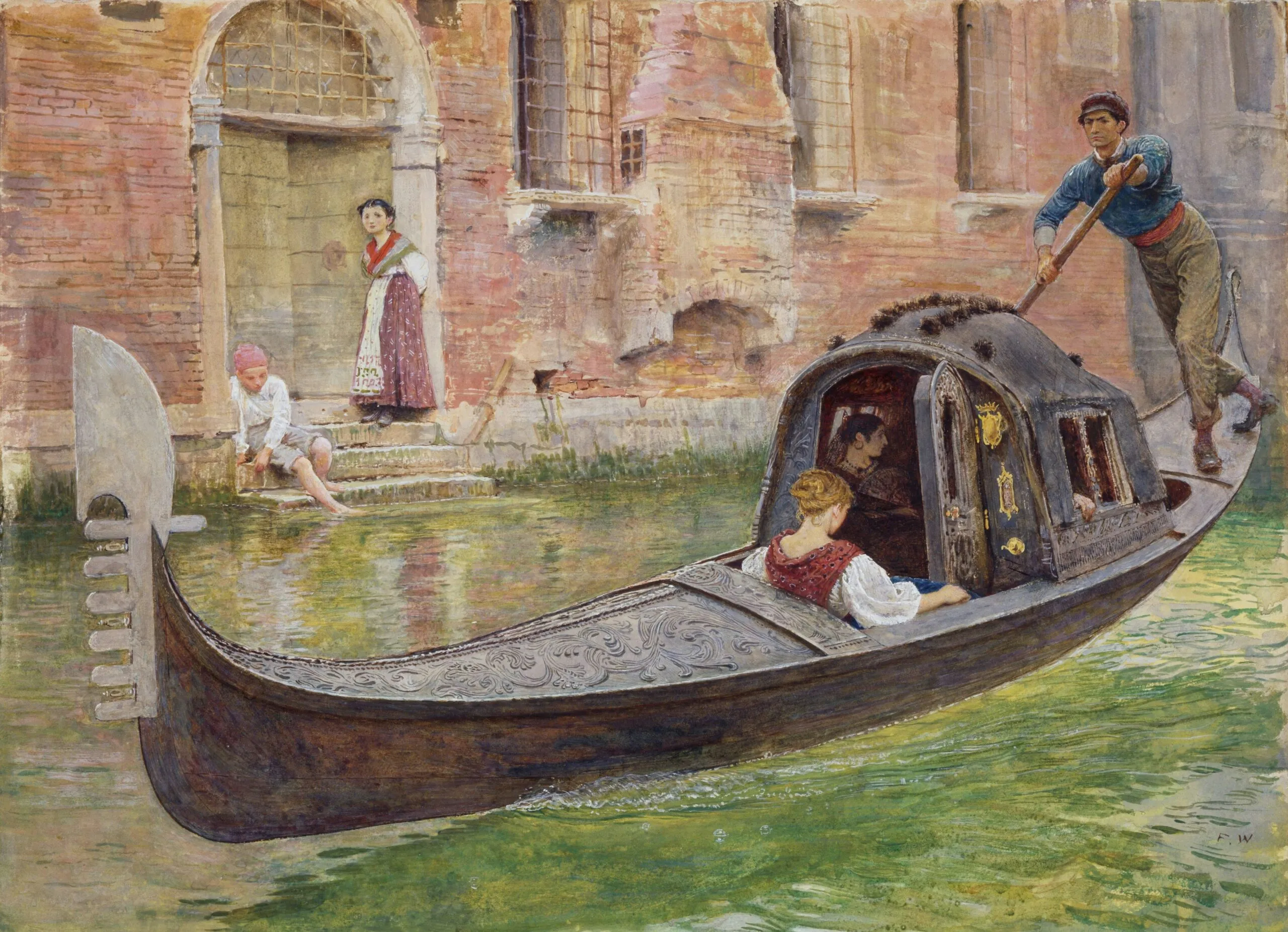
The gondola is Venice's signature silhouette — a boat that carries the city’s memory as much as its passengers. Over 1,000 years, its role shifted from daily transport to ceremonial icon and romantic tour vessel. This deep dive traces the timeline: how the felze (roofed cabin) vanished, why hulls slimmed, and how paintings preserved canal life.
Overview
- Identity: A flat-bottom, hand-built boat engineered for single-oar navigation in shallow, tidal canals.
- Function: From aristocratic privacy to today’s ceremonial and tour uses.
- Continuity: Craftsmanship rooted in squeri (boatyards) and families.
Why it matters
Venice is a city of water and wood. The gondola translates the city’s constraints — low bridges, tight turns, variable tide — into a graceful grammar of motion.
Quick Facts
- Origin: Medieval workboats adapted to narrow waterways.
- Signature feature: Asymmetrical hull for single-oar propulsion.
- The felze: Removable cabin for privacy/weather; phased out by early 20th century.
- Today: ~400–450 licensed gondolas; ~1,200 gondoliers overall (including reserves and trainees).
Tip: Look for black varnish — not just style, but centuries-old regulation curbing ostentation.
Timeline of Change
1) Medieval to Renaissance
- Workboats and elite transport coexisted.
- Hulls were wider; cabins appeared seasonally or for status.
- Cityscapes in early art show gondolas as ubiquitous urban vehicles.
2) 17th–18th Centuries (Aristocratic Etiquette)
- The felze becomes fashionable; privacy mattered for courtship and politics.
- Color rules introduced; black becomes standard.
- Gondola as social stage: arrivals at palazzi, theater nights, ceremonies.
3) 19th–20th Centuries (Streamlining)
- The cabin disappears; hulls elongate and refine for agile turning.
- Tourism rises; gondola shifts from utility to experience.
- Standardization increases — yet each maker keeps subtle signatures.
Art and Iconography
- Carpaccio, Canaletto: Everyday canal life, roofed gondolas, noble leisure.
- 1700s prints: Etiquette and fashion around the felze.
- Early photography: Confirms disappearance of cabins and slimming of hulls.
Museum tip: Around Piazza San Marco, watch for canal vignettes — they decode social life better than texts.
Anatomy & Evolution
| Era | Cabin (Felze) | Hull Shape | Use Case |
|---|---|---|---|
| Medieval | Rare/temporary | Flat, practical | Work + transport |
| 1700s | Common | Wider, decorated | Aristocratic privacy |
| 1900s–Today | Disappears | Long, asymmetric | Tourism + ceremony |
Materials Across Time
- Planking: Oak, larch (balance of resilience and weight).
- Forcola (oarlock): Walnut, hand-carved for multiple stroke positions.
- Ferro (prow iron): Counterbalance + symbolism.
Social History: Rules, Colors, Privacy
- Color regulation: Black standard reduces competitive display.
- Privacy: The felze allowed discreet travel.
- Ceremony: Weddings, diplomatic arrivals, regattas.
FAQs
Was the gondola ever a cargo boat? Yes — variants carried goods; the iconic form coexisted with workboats.
Why is the gondola black? Color laws standardized the fleet; varnish also protects wood.
What replaced the felze? Social norms, tourism, and practical navigation favored open seating.
Field Checklist (for museum-goers)
- Spot a roofed gondola (felze) in 1700s scenes.
- Note black hulls and dress codes near palazzi doors.
- Compare hull width over centuries.
Bottom Line
The gondola is living heritage. Its black sheen, iron ferro, and quiet glide echo centuries of design choices balancing privacy, agility, and Venice’s unique waterway constraints — a craft refined by time and tide.
About the Author

Venice Travel Expert
I created this guide to help you ride Venice’s waterways with confidence — clear booking advice, thoughtful etiquette tips, and stories to enrich what you’ll see and feel from the boat.
Tags
Comments (0)
Loading comments...